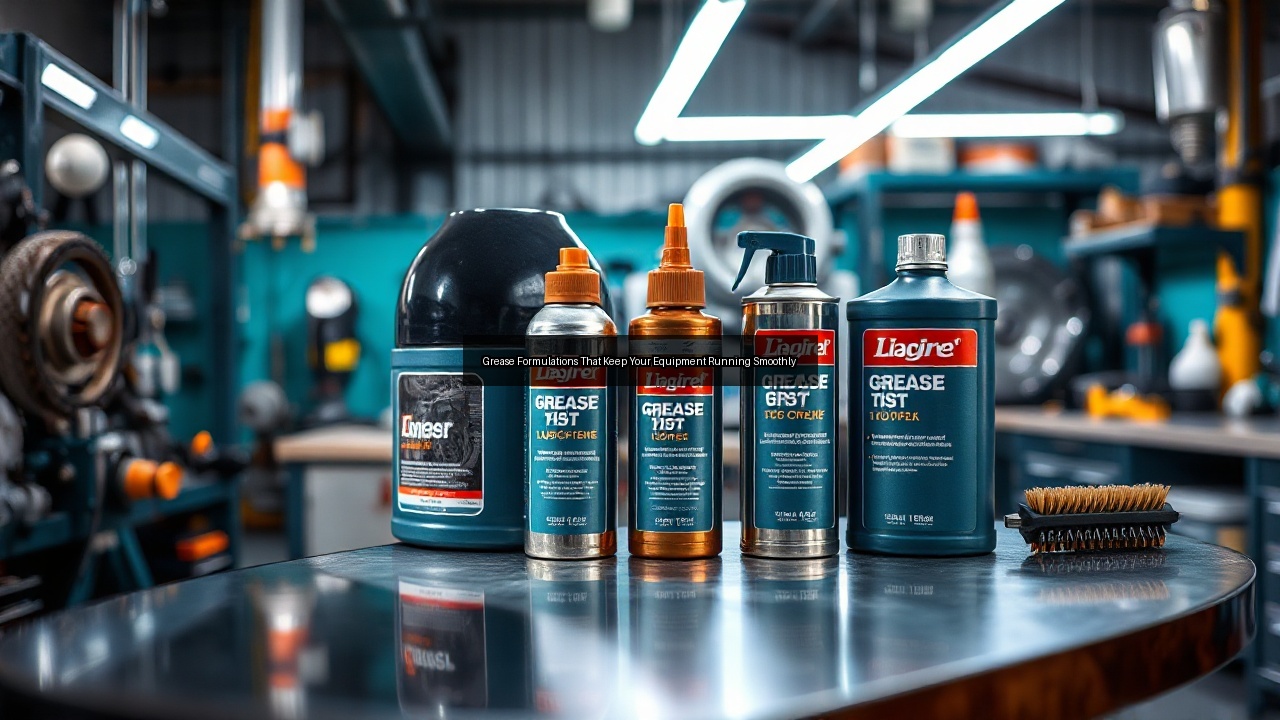
Grease Formulations That Keep Your Equipment Running Smoothly
Understanding Lubricant Grease and Its Importance
What is Lubricant Grease?
Lubricant grease, a vital component in machinery maintenance, consists of a lubricating oil thickened with various additives to enhance performance. Unlike traditional lubricating oil, which flows freely, grease remains in place due to its semi-solid nature. This characteristic allows it to provide consistent lubrication, especially in areas where oil might drain away or evaporate. Grease formulations vary widely, catering to specific needs across industries. The right grease lubricant not only reduces friction but also protects components from dirt, moisture, and corrosion, ensuring optimal functionality and longevity.
How Lubricant Grease Works in Machinery
Lubricant grease operates by forming a protective layer between moving parts, minimizing direct contact and reducing friction. When machinery parts move against each other, heat is generated due to friction, leading to wear and tear. Grease acts as a cushion, absorbing shock and dissipating heat effectively. Additionally, the thickening agents in grease help it adhere to surfaces, providing a longer-lasting protective barrier compared to liquid lubricants. This is particularly crucial in high-load applications where metal-on-metal contact can cause rapid degradation. Understanding how lubricant grease functions enables operators to select the best products for their machinery, enhancing performance and reliability.
The Role of Grease in Reducing Friction and Wear
Grease plays a crucial role in reducing friction and wear in machinery. By maintaining a stable lubrication film, it ensures that moving parts operate smoothly, decreasing the likelihood of mechanical failure. The choice of grease formulation can significantly influence performance outcomes. For example, lithium grease, known for its versatility, provides excellent protection against wear and can withstand high temperatures. In contrast, silicone grease lubricant excels in extreme temperature environments. The right grease formulation not only extends the life of components but also improves efficiency, ultimately leading to reduced maintenance costs and increased uptime for industrial equipment.
Types of Grease Formulations for Optimal Performance
Lithium Grease: Versatility and Benefits
Lithium grease stands out as one of the most widely used types of lubricant grease due to its versatility and excellent performance characteristics. This formulation combines lithium soap with mineral oil, resulting in a grease that is water-resistant and stable across a broad temperature range. Lithium grease is suitable for various applications, including wheel bearings, hinges, and other mechanical parts. Its ability to withstand pressure makes it an ideal choice for heavy machinery used in agriculture and construction. Furthermore, lithium grease provides reliable protection against rust and corrosion, ensuring the longevity of components exposed to harsh environments.
Silicone Grease Lubricant: Ideal for High-Temperature Applications
Silicone grease lubricant is specifically designed for high-temperature and high-moisture environments. Its unique formulation allows it to maintain its consistency and protective qualities even when exposed to extreme conditions. This type of grease is particularly effective for plastic gears, o-rings, and other components that require a non-reactive lubricant. Silicone grease resists water washout, making it an excellent choice for marine applications where exposure to moisture is a concern. Additionally, the chemical stability of silicone lubricants prevents them from breaking down under heat, providing dependable performance in industrial settings that demand reliable lubrication.
Marine Grease: Protection in Moist Environments
Marine grease is specially formulated to protect bearings and other components in moist and corrosive environments. This grease typically contains additives that enhance its resistance to water and rust, making it ideal for use in boats, trailers, and other marine applications. The formulation of marine grease ensures that it adheres to metal surfaces, providing a barrier against water ingress and contaminants. When selecting marine grease, consider products that offer high-performance protection for open gears and chassis. This ensures that equipment operates smoothly despite exposure to harsh marine conditions, ultimately extending the service life of critical components.
Choosing the Right Grease for Wheel Bearings and Other Applications
Selecting the right grease for wheel bearings and other applications involves understanding the specific requirements of the machinery in use. For wheel bearings, a high-performance grease that can withstand extreme pressure and temperature is essential. Lithium-based greases are often preferred for their versatility and ability to maintain a lubricating film under load. In contrast, agricultural machinery may require specialized greases formulated for heavy-duty performance. Operators should evaluate the operating conditions, including temperature fluctuations and moisture levels, to choose the appropriate grease formulation. Making informed choices in grease selection enhances equipment reliability and reduces maintenance frequency.
Selecting the Right Lubricant Grease for Your Needs
Factors to Consider When Choosing Grease
Choosing the right lubricant grease involves several key factors that impact performance and longevity. First, consider the operating temperature range of the equipment. Different greases perform optimally at specific temperatures, and selecting one that aligns with your machinery's requirements is crucial. Next, evaluate the load conditions. Heavy loads necessitate high EP (extreme pressure) greases that can withstand significant stress. Additionally, consider environmental factors such as moisture, dust, and chemical exposure. For instance, marine applications demand water-resistant greases, while food-grade lubricants are essential in food processing. Matching grease characteristics with application needs ensures optimal performance and reduces wear on machinery.
Specialized Solutions for Industrial Applications
Industrial applications often require specialized lubricant grease formulations tailored to specific operational challenges. High-performance greases formulated with advanced thickeners are designed for severe operating conditions, providing reliable lubrication that extends service intervals. These formulations longer component life with the right grease enhance machinery uptime and efficiency, especially in demanding environments such as manufacturing plants and heavy equipment operations. Additionally, grease selection for industrial and fleet applications should consider factors like resistance to oxidation and compatibility with seals and gaskets. Utilizing products that address these unique needs can lead to longer component life and reduced maintenance costs, ultimately improving overall operational efficiency.
Grease Selection for Agriculture and Heavy Machinery
In agriculture and heavy machinery, selecting the right grease is critical for maintaining optimal performance. Equipment in these sectors often operates under extreme conditions, including exposure to dirt, water, and high loads. Lithium greases are commonly used due to their ability to withstand these challenges while providing excellent wear protection. For specific applications, such as wheel bearings and pivot points, high-temperature greases may be necessary to ensure proper lubrication. Additionally, operators must consider the grease's ability to resist washout from water, ensuring consistent protection throughout the equipment's lifespan. Proper grease selection not only enhances performance but also minimizes downtime, maximizing productivity in the field.
Maintenance Tips for Grease Application and Management
Applying Grease: Tools and Techniques
Effective grease application requires the right tools and techniques to ensure thorough coverage and optimal performance. Utilizing a grease gun makes application easier and more precise, greases formulated to protect industrial equipment allowing for controlled dispensing. Various types of grease guns, including manual, pneumatic, and electric, are available, each suited to different applications. When applying grease, ensure that surfaces are clean and free from old grease and contaminants. The use of a brush can help in reaching tight spaces and ensuring even distribution. Always refer to equipment manuals for specific lubrication points and recommended grease types. Proper application techniques enhance the effectiveness of the lubricant grease and extend the life of machinery components.
Understanding Service Intervals and Component Lifespan
Establishing service intervals for grease application is crucial for maintaining machinery health. Regularly scheduled maintenance helps prevent excessive wear and ensures that components operate smoothly. The lifespan of components often correlates with the frequency of lubrication. Operators should consult manufacturer guidelines to determine optimal service intervals based on operating conditions and grease types. Additionally, monitoring the performance of machinery can help identify when adjustments to lubrication schedules are necessary. Understanding the relationship between service intervals and component lifespan empowers operators to make informed decisions, ultimately leading to improved equipment reliability and reduced downtime.
How to Identify When to Re-grease or Change Lubricant
Recognizing when to re-grease or change lubricant is essential for maintaining optimal machine performance. Signs of inadequate lubrication include unusual noises, increased heat generation, or visible wear on components. Regular inspections can help identify these issues before they lead to significant problems. Additionally, operators should monitor grease consistency and color. The presence of contaminants or a change in texture may indicate that the grease has degraded and needs replacement. Implementing a routine inspection schedule can help catch these signs early, ensuring timely maintenance actions that keep equipment running smoothly and efficiently.
See Also
- The Science Behind High-Performance Greases for Industrial Use
- Understanding the Impact of Grease on Vehicle Performance
- Exploring the Benefits of Lithium Grease for Heavy-Duty Applications
- Enhancing Equipment Longevity with Quality Lubricant Grease
- Demystifying Lubricant Grease Myths for Better Machinery Care