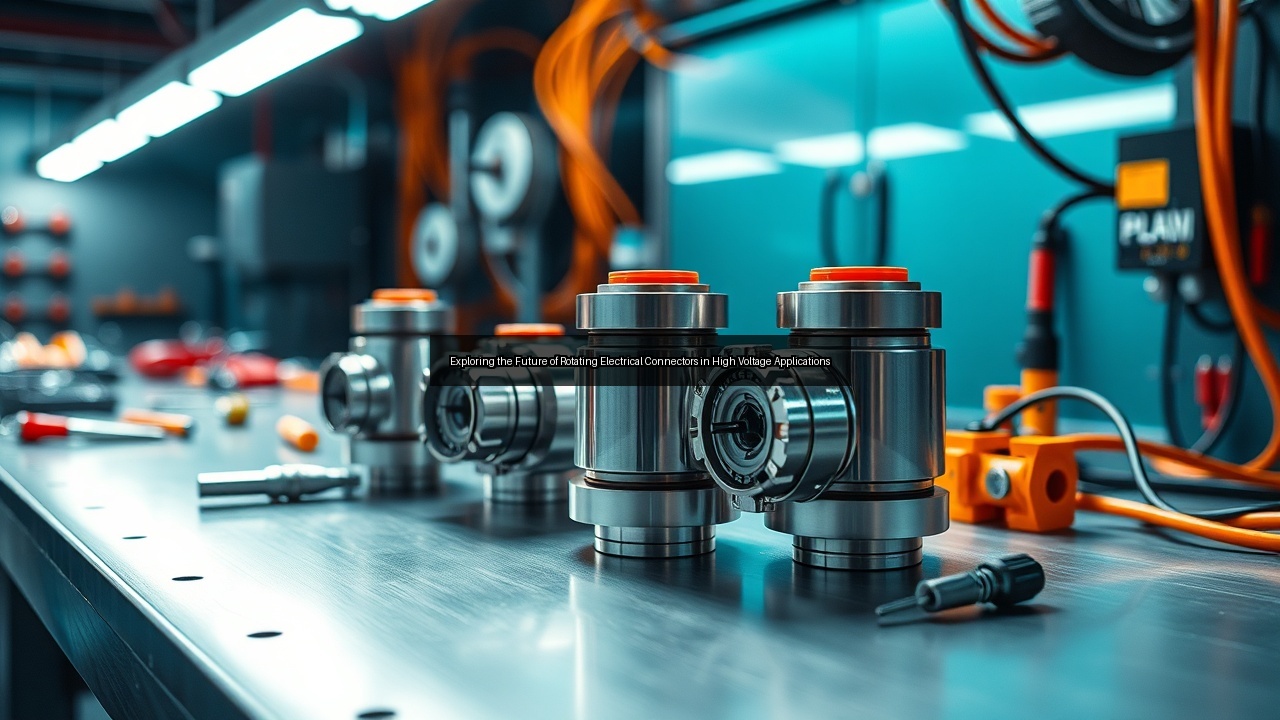
Exploring the Future of Rotating Electrical Connectors in High Voltage Applications
Understanding Rotating Electrical Connectors
What are Rotating Electrical Connectors?
Rotating electrical connectors are specialized devices that allow the transfer of electrical signals and power between stationary and rotating parts of machinery. These connectors play a vital role in applications where continuous rotation occurs, ensuring reliable electrical connections without tangling or damaging wires. Commonly known as slip rings, rotating electrical connectors serve various industries, including manufacturing, aerospace, and renewable energy. These connectors enhance the performance of machines by maintaining a steady flow of electricity, thereby facilitating operations that require simultaneous rotation and electrical supply.
Types of Rotating Electrical Connectors
Rotating electrical connectors come in various types, each designed to suit specific applications and requirements. The most common types include traditional slip rings, which utilize brushes to transfer electrical signals, and fiber optic rotary connectors that enable high-speed data transmission. Another variant is the capsule slip ring, which is compact and ideal for confined spaces. Furthermore, rotary connectors can be categorized based on the number of circuits they support, from single-circuit to multi-circuit designs. Each type serves unique functions, providing flexibility and adaptability in different operational environments.
Key Components of Rotating Electrical Connectors
Understanding the key components of rotating electrical connectors is essential to grasp their functionality. The primary elements include the rotor and stator, with the rotor connected to the rotating part of the machine and the stator linked to the stationary section. Brushes made from conductive materials like graphite maintain contact with the rotor, enabling efficient electrical transfer. Insulation materials are crucial for preventing short circuits and ensuring safety, while housing protects the internal components from environmental factors. These components work in unison to allow seamless electrical connectivity in high-speed rotating applications.
Applications in High Voltage Environments
Importance of High Voltage in Industrial Settings
High voltage plays a significant role in industrial settings, powering heavy machinery, electric motors, and large-scale production equipment. The demand for high voltage is driven by the need for efficiency and performance in operations. High voltage systems reduce energy loss during transmission, making them ideal for long-distance power distribution. Rotating electrical connectors facilitate these high voltage applications by ensuring consistent and reliable connections, even under demanding conditions. Industries such as oil and gas, mining, and manufacturing rely on these connectors to maintain operational integrity while handling substantial electrical loads.
Usage of Slip Rings in High Voltage Applications
Slip rings are the most commonly used rotating electrical connectors in high voltage applications. Their design allows seamless power transmission from stationary to rotating components without interrupting the flow of electricity. Engineers often choose slip rings for their ability to handle various currents and voltages, making them suitable for applications like wind turbines, cranes, and industrial automation. By using slip rings, industries can achieve greater operational efficiency, reduce maintenance costs, and prolong the lifespan of equipment. As the demand for high voltage systems continues to grow, slip rings remain a cornerstone of reliable electrical connectivity.
Rotating Electrical Connectors in Renewable Energy Systems
Renewable energy systems, such as wind turbines and solar tracking systems, heavily rely on rotating electrical connectors to operate efficiently. In wind turbines, slip rings allow the transfer of electricity generated by the turbine to the grid while enabling rotational movement. Solar trackers use these connectors to adjust the angle of solar panels, maximizing sunlight exposure and energy capture. The rotating electrical connectors ensure stable connections under varying environmental conditions, contributing to the overall reliability of renewable energy systems. As the world transitions to greener energy solutions, the importance of these connectors in sustainable technologies becomes increasingly evident.
Innovations and Future Trends
The Role of Wireless Technology in Rotating Connectors
The integration of wireless technology into rotating electrical connectors represents a significant advancement in the field. Wireless rotating connectors eliminate the need for physical wires, reducing wear and tear associated with traditional systems. This innovation enhances reliability, particularly in applications where movement is continuous and challenging. Wireless technology also promotes flexibility in design and installation, allowing for easier maintenance and upgrades. As industries seek to optimize operations and reduce costs, the adoption of wireless rotating electrical connectors is likely to increase, offering a glimpse into a more efficient future.
Integration of Linear Taper Technology
Linear taper technology is revolutionizing the design of rotating electrical connectors, particularly in applications requiring precise control of electrical currents. This technology allows for a gradual change in resistance, ensuring smoother transitions and improved performance. By integrating linear taper technology, manufacturers can produce connectors that offer enhanced functionality, such as variable speed control in motors and adjustable power distribution. This advancement not only increases operational efficiency but also enhances the overall user experience. As industries continue to evolve, the demand for connectors with linear taper technology will likely grow, pushing innovation forward.
Advancements in Rotary Electrical Contacts and Adapters
Advancements in rotary electrical contacts and adapters are crucial for meeting the evolving demands of modern applications. Manufacturers are focusing on improving the materials and designs used in these components, enhancing their durability and performance. New materials offer better conductivity and resistance to wear, leading to longer-lasting connectors. Additionally, innovations in adapter design allow for greater compatibility between different systems, facilitating easier integration of rotating electrical connectors into existing setups. These advancements ensure that industries can maintain high performance and reliability, even as technology continues to advance rapidly.
Challenges and Considerations
Challenges in Wiring and Installation
Wiring and installation of rotating electrical connectors present various challenges. The complexity of high voltage systems requires careful planning and execution during installation to prevent potential hazards. Proper wiring techniques are essential to ensure safety and functionality, as poorly executed connections can lead to failures or dangerous situations. Additionally, the physical space constraints in many applications complicate the installation process. Engineers and technicians must consider factors such as the rotation speed, load requirements, and environmental conditions to ensure optimal performance of the rotating electrical connectors.
Maintenance and Reliability of High Voltage Connectors
Ensuring the reliability and longevity of high voltage rotating electrical connectors demands regular maintenance. Over time, wear and tear can impact the functionality of connectors, leading to potential failures. Regular inspections of brushes, contacts, and insulation are essential to identify wear before it becomes a major issue. Implementing a maintenance schedule helps industries avoid costly downtime and ensures the continued performance of their systems. As technology evolves, manufacturers are developing advanced monitoring systems that provide real-time data on connector performance, making it easier to maintain reliability.
Safety Standards for Rotating Electrical Connectors
Adhering to safety standards for rotating electrical connectors is paramount in high voltage applications. Regulatory bodies have established guidelines to ensure that connectors meet specific safety criteria, minimizing the risk of electrical hazards. Manufacturers must comply with these standards during design and production, ensuring that connectors can withstand the stresses of high voltage environments. Proper labeling, installation practices, and user training further enhance safety. As industries continue to innovate, maintaining compliance with evolving safety standards will remain a critical consideration for all rotating electrical connectors.
See Also
- Rotating Electrical Connectors vs Traditional Connectors: A Comprehensive Comparison
- The Science Behind Rotating Electrical Connectors and Their Impact on Speed
- Understanding Linear Taper and Its Impact on Rotating Electrical Connectors
- The Importance of Adapters in Rotating Electrical Connector Systems